Tokenized Real Estate: How Blockchain Is Reshaping Property Investment in the U.S.
Real estate has long been one of the most reliable and profitable investment sectors. However, the industry has traditionally been limited by high entry barriers, low liquidity, and complex ownership processes. In 2025, that’s changing — thanks to blockchain technology and real estate tokenization.
By converting physical properties into digital tokens, investors can now buy, sell, or trade fractions of real estate assets online — making property investing more accessible, liquid, and transparent than ever before.
In this article, we’ll explore how tokenized real estate works, why it’s gaining momentum in the U.S., the best investment opportunities available, and what risks and rewards come with this revolutionary trend.
1. What Is Tokenized Real Estate?

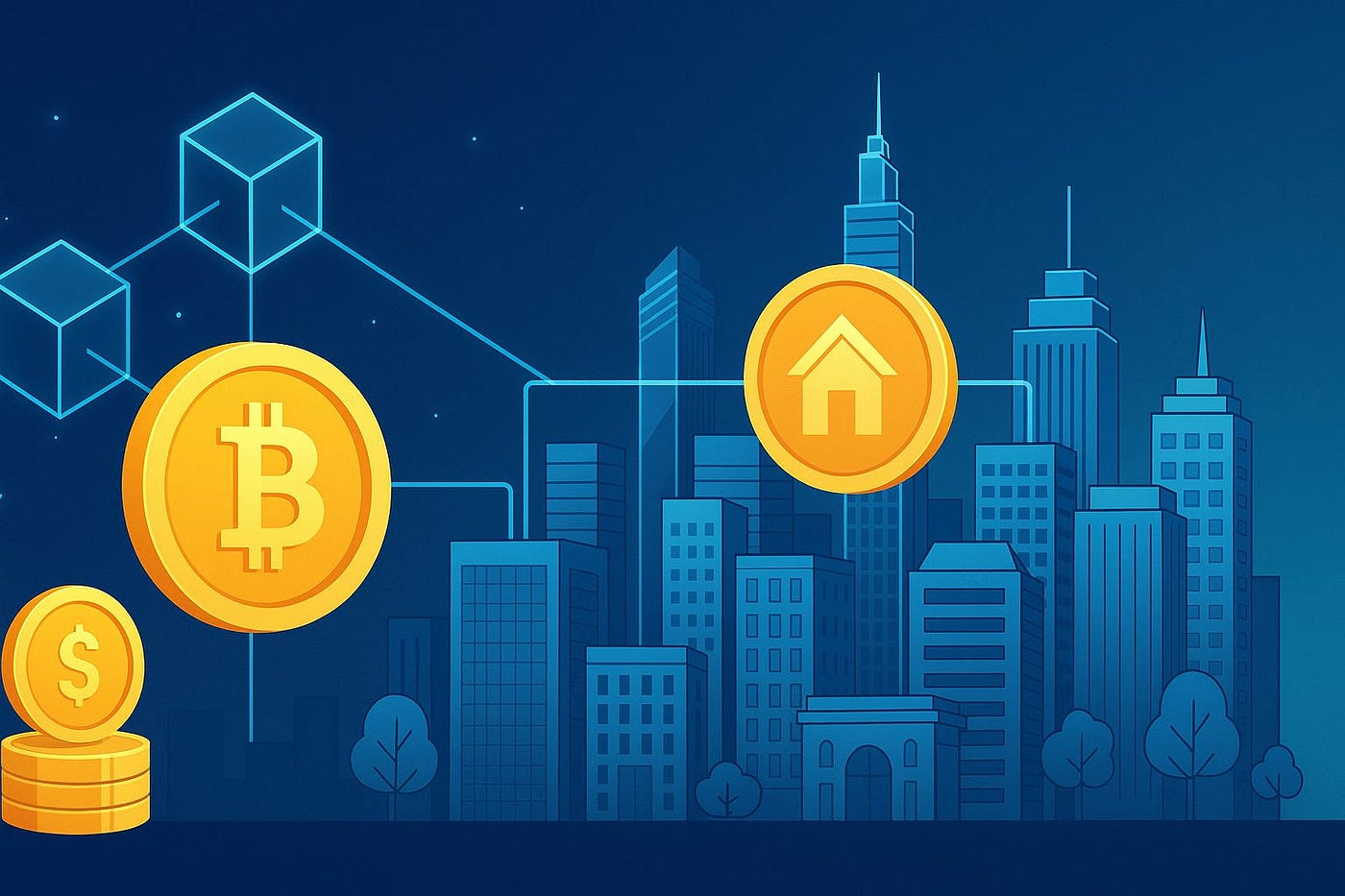
Tokenized real estate is the process of converting ownership rights in a property — whether residential, commercial, or land — into digital tokens stored on a blockchain. Each token represents a fractional share of the property’s ownership or the income it generates.
This means investors no longer need to purchase entire properties. Instead, they can buy fractional shares of high-value real estate assets — similar to buying stocks.
Example:
A $1 million commercial building could be divided into 10,000 tokens worth $100 each. Investors can buy one or more tokens and receive proportional rental income and appreciation gains.
2. How Blockchain Technology Enables Real Estate Tokenization
Blockchain’s core features — transparency, immutability, and smart contracts — are what make real estate tokenization possible and efficient.
a) Transparency
Every transaction is recorded on a public ledger, ensuring verifiable ownership and accountability.
b) Smart Contracts
Contracts are automated, allowing for instant payments, profit distribution, and ownership transfers without middlemen.
c) Fractional Ownership
Blockchain makes it easy to divide ownership into smaller, tradable units — enabling more people to invest.
d) Global Liquidity
Real estate markets, traditionally local and slow, can now operate globally, with 24/7 token trading.
3. The Benefits of Tokenized Real Estate Investing
a) Accessibility and Affordability
Tokenization lowers entry barriers — you can invest in premium properties with as little as $100.
b) Liquidity
Unlike traditional real estate, which can take months to sell, tokenized properties can be traded instantly on blockchain platforms.
c) Diversification
Investors can build global portfolios — owning fractions of properties across cities like New York, Miami, and Los Angeles.
d) Passive Income
Token holders receive rental income, dividends, or profit shares automatically via smart contracts.
e) Lower Costs and Faster Transactions
No brokers, escrow agents, or lengthy paperwork — everything is automated on the blockchain.
f) Security and Transparency
Ownership data is securely recorded and publicly verifiable, reducing the risk of fraud.
4. The Rise of Tokenized Real Estate in the U.S.

The U.S. has emerged as a global leader in tokenized property adoption, thanks to favorable regulations and technological innovation.
a) Regulatory Progress
The U.S. Securities and Exchange Commission (SEC) now recognizes certain real estate tokens as compliant investment securities. This regulatory clarity is attracting institutional investors and platforms.
b) Institutional Interest
Major players like BlackRock, Republic Real Estate, and Lofty AI are investing heavily in tokenized property projects.
c) Investor Demand
As inflation and interest rates fluctuate, investors are turning to asset-backed digital investments for stability and predictable income.
5. How to Invest in Tokenized Real Estate
If you’re looking to add tokenized properties to your portfolio, here’s a simple step-by-step guide:
Step 1: Choose a Trusted Platform
Select a regulated tokenization platform such as:
-
Lofty AI – Offers fractional ownership of U.S. rental properties.
-
RealT – Focuses on tokenized real estate investments in cities like Detroit and Chicago.
-
Harbor – Specializes in institutional-grade tokenized assets.
-
Blocksquare – Provides global property tokenization solutions.
Step 2: Verify Property Backing
Always check whether the underlying asset is real, legally registered, and audited.
Step 3: Understand Yield and Risk
Review how rental income is distributed and whether token prices reflect true market value.
Step 4: Start Small
Begin with smaller investments and increase exposure as you gain experience.
Step 5: Diversify Globally
Invest across property types (residential, commercial, industrial) and geographies.
6. Popular Tokenized Real Estate Platforms in 2025
Lofty AI
Uses blockchain to democratize access to rental properties, offering daily rental income payouts to token holders.
RealT
Focuses on Ethereum-based property tokens, providing full transparency of ownership and rental returns.
Propy
Specializes in blockchain-based real estate transactions, including property sales recorded directly on the blockchain.
Republic Real Estate
Offers tokenized real estate portfolios managed by professionals, with options for accredited and retail investors.
SolidBlock
A pioneer in tokenizing luxury real estate projects and hospitality assets.
7. Legal and Regulatory Considerations

a) SEC Compliance
In the U.S., most real estate tokens are classified as securities, requiring adherence to SEC regulations.
b) KYC/AML Requirements
Investors must complete Know Your Customer (KYC) and Anti-Money Laundering (AML) verification.
c) Custody and Ownership Rights
Ensure tokens provide legal claims to income and equity in the property.
d) Tax Implications
Earnings from rental income or token sales are subject to capital gains and income taxes. Consulting a tax advisor is recommended.
8. Tokenized Real Estate vs. Traditional Investing
| Feature | Traditional Real Estate | Tokenized Real Estate |
|---|---|---|
| Minimum Investment | $50,000+ | As low as $100 |
| Liquidity | Low | High (tradable 24/7) |
| Ownership Transfer | Weeks or months | Instant (via blockchain) |
| Transparency | Limited | Full, verifiable ledger |
| Accessibility | Local | Global |
| Fees | High (agents, lawyers) | Low (blockchain-based) |
This table illustrates why tokenized real estate is appealing to a new generation of tech-savvy investors.
9. Risks to Consider
a) Market Volatility
Token prices can fluctuate with crypto market conditions.
b) Regulatory Changes
Future legislation could alter how property tokens are treated.
c) Platform Risk
If a tokenization platform fails or gets hacked, investors may lose access to assets.
d) Illiquidity in Niche Markets
While more liquid than traditional real estate, some property tokens may still lack buyers.
e) Technical Risks
Smart contract bugs or blockchain network failures could impact token management.
10. The Future of Tokenized Real Estate

The tokenized real estate market in the U.S. is expected to exceed $1 trillion by 2030, according to financial analysts.
In the next few years, we can expect:
-
More institutional adoption from major funds and real estate trusts.
-
Integration with DeFi, allowing tokenized properties to be used as collateral.
-
AI-powered valuation systems, enhancing transparency and investment insights.
-
Global property exchanges, connecting investors worldwide in real time.
Tokenized real estate isn’t just a passing trend — it’s a paradigm shift in how Americans will own, trade, and invest in property.