Smart Cities and Real Estate: How Technology Is Driving Urban Investment Growth in the U.S.
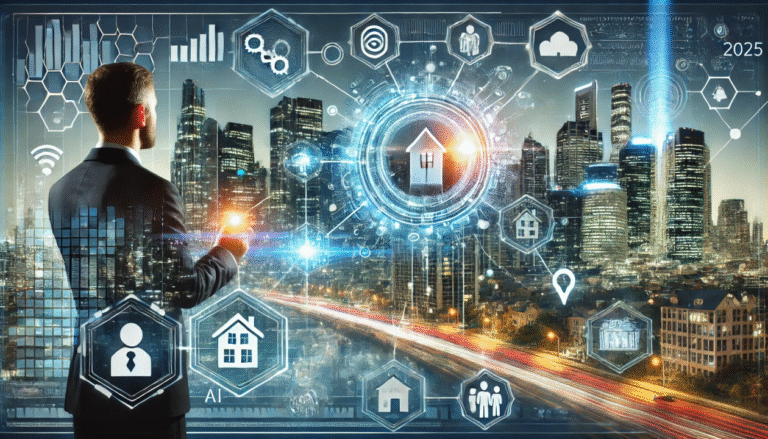
The rapid evolution of technology has transformed nearly every aspect of modern life, and real estate is no exception. Across the United States, the rise of smart cities — urban environments that leverage technology and data to improve efficiency, sustainability, and quality of life — is reshaping how investors view real estate opportunities.
From IoT-enabled buildings to AI-driven property management systems, technology is fueling a new era of urban investment. Investors who understand these dynamics are positioned to benefit from both capital appreciation and long-term stability in rapidly developing smart regions.
1. What Are Smart Cities?

A smart city uses advanced technologies — including sensors, data analytics, AI, and automation — to optimize urban infrastructure, energy use, transportation, and public services.
The goal: to create sustainable, efficient, and livable environments that meet the needs of growing populations.
Key Elements of a Smart City:
-
Smart Infrastructure: Energy-efficient buildings, green construction materials, and renewable energy systems.
-
Connected Mobility: Electric vehicles (EVs), AI-managed traffic, and on-demand public transit.
-
Digital Governance: Open data systems and e-governance tools for transparent city management.
-
IoT Integration: Real-time monitoring of utilities, waste management, and air quality.
These factors don’t just make cities smarter — they make them more valuable for investors.
2. The Link Between Smart Cities and Real Estate Growth
Investors are increasingly viewing smart cities as long-term opportunities for stable growth. According to the U.S. Department of Housing and Urban Development (HUD), cities adopting smart technology tend to see a 5–10% higher property value increase compared to traditional urban zones.
Why Smart Cities Attract Real Estate Investment:
-
Higher Quality of Life: Advanced infrastructure attracts talent and innovation-driven businesses.
-
Sustainability Incentives: Developers benefit from tax credits and green financing programs.
-
Efficient Property Management: Automation reduces operational costs and improves tenant satisfaction.
-
Data-Driven Insights: AI helps forecast market trends and optimize property portfolios.
In other words, technology is not just improving urban life — it’s improving investment performance.
3. U.S. Cities Leading the Smart Revolution
Several American cities are pioneering the smart transformation, creating powerful investment opportunities.
a) Austin, Texas
Known for its tech ecosystem and green initiatives, Austin’s focus on renewable energy and IoT innovation has made it one of the fastest-growing real estate markets in the U.S.
b) Seattle, Washington
Seattle integrates AI and sustainability in urban planning. Real estate projects there often include smart building automation, renewable materials, and energy monitoring systems.
c) Miami, Florida
Miami’s adoption of blockchain-based property registries and climate-resilient construction is attracting global investors, especially those focused on ESG (Environmental, Social, and Governance) portfolios.
d) Boston, Massachusetts
Boston’s “Smart City Playbook” focuses on AI traffic systems, green public spaces, and smart grids — all of which enhance property desirability and value.
4. The Role of PropTech in Modern Real Estate

PropTech (Property Technology) is the driving force behind this evolution. It encompasses digital innovations designed to streamline buying, selling, managing, and investing in real estate.
PropTech Trends Shaping Smart Investments:
-
AI & Predictive Analytics: Used to identify profitable neighborhoods and forecast market trends.
-
Blockchain Technology: Enables secure and transparent property transactions.
-
Virtual Reality (VR) & Augmented Reality (AR): Revolutionize property tours and remote sales.
-
Big Data: Improves decision-making for developers and investors.
-
Sustainability Tech: Smart meters and green design tools reduce carbon footprints and utility costs.
By integrating PropTech, investors gain access to faster insights, better returns, and safer transactions.
5. Sustainability as an Investment Driver
Sustainability has become a core pillar in both smart cities and real estate. According to a 2024 Deloitte report, green-certified buildings command rental premiums of up to 11% higher than non-certified properties.
Why Sustainable Investments Matter:
-
Tax Benefits: U.S. investors can leverage federal incentives such as the Investment Tax Credit (ITC) for renewable energy integration.
-
Long-Term Savings: Lower energy and maintenance costs improve net operating income.
-
Investor Demand: ESG-aligned assets attract institutional investors and private equity funds.
Cities that integrate energy-efficient buildings, electric vehicle infrastructure, and green spaces are leading the next phase of urban development — and investors are following.
6. The Role of AI and IoT in Real Estate Efficiency
Artificial Intelligence (AI) and the Internet of Things (IoT) are transforming how properties are monitored, maintained, and valued.
Examples of AI and IoT Applications:
-
Predictive Maintenance: Sensors detect building issues before they become costly repairs.
-
Smart Energy Systems: Automated lighting, HVAC, and energy management systems lower costs.
-
Tenant Experience Apps: Platforms that enhance communication, rent payments, and amenities.
-
AI Valuation Tools: Provide accurate, data-driven property appraisals.
These innovations translate to higher profitability and lower risk, making them irresistible to investors focused on long-term value.
7. Challenges and Considerations for Investors

Despite the potential, investing in smart city projects comes with unique challenges.
Key Risks:
-
High Initial Costs: Smart infrastructure and IoT systems require substantial upfront investment.
-
Regulatory Complexity: Each U.S. state has different zoning, data, and energy laws.
-
Cybersecurity Threats: As cities become more connected, digital vulnerabilities increase.
-
Adoption Pace: Some municipalities are slower to adopt full-scale smart initiatives.
To mitigate risks, investors should conduct due diligence on regional policies, partner with tech-forward developers, and diversify portfolios across emerging smart hubs.
8. The Future of Smart Real Estate Investment in the U.S.
Experts predict that by 2030, more than 60% of urban investments in the U.S. will be directed toward smart infrastructure and green real estate. As AI, 5G, and automation continue to evolve, the boundaries between technology and real estate will blur even further.
Emerging Trends to Watch:
-
Digital Twin Modeling for predictive urban planning.
-
5G-Enabled Smart Homes with autonomous energy control.
-
Carbon-Neutral Construction Projects supported by government subsidies.
-
Fractional Ownership via Blockchain, democratizing access to premium properties.
These innovations will redefine how real estate investors evaluate risk, return, and sustainability.
9. How to Invest in Smart City Real Estate

There are several ways to get involved, depending on your investment style and risk tolerance.
Investment Options:
-
REITs (Real Estate Investment Trusts): Focused on green or tech-integrated portfolios.
-
Crowdfunding Platforms: Allow investors to back smart building developments.
-
Direct Property Investment: Purchasing energy-efficient or IoT-equipped properties.
-
Tech-Focused Funds: ETFs or mutual funds targeting PropTech and infrastructure innovation.
Pro Tip:
Focus on cities with government incentives for smart development, as they often offer higher yields and lower risk.