Real World Assets (RWA): How Tokenized Real Assets Are Revolutionizing Crypto Investments in 2025
In 2025, the world of crypto investing is undergoing a massive transformation. The rise of Real World Assets (RWAs) — tokenized versions of physical or traditional financial assets — is bridging the gap between decentralized finance (DeFi) and the traditional economy. From real estate to government bonds, RWAs are unlocking a new era of liquidity, transparency, and accessibility.
This article explores how RWAs are changing the investment landscape, why they’re gaining traction in the United States, and how investors can capitalize on this fast-growing trend while managing potential risks.
1. What Are Real World Assets (RWA)?

Real World Assets, or RWAs, are tangible or traditional assets represented as digital tokens on a blockchain. These tokens can represent anything — real estate, gold, stocks, carbon credits, or even invoices.
In essence, tokenization turns real-world ownership into a tradable digital format, allowing investors to buy, sell, or trade fractions of valuable assets.
Examples of RWAs include:
-
Real estate tokens: Representing fractional ownership of properties.
-
Government or corporate bonds: Tokenized debt instruments that provide yield through blockchain.
-
Commodities: Gold, oil, and carbon credits represented digitally.
-
Private equity and art: Investment-grade assets available in smaller, tokenized shares.
2. Why RWAs Are Gaining Popularity in 2025
The surge in RWA adoption in 2025 is driven by three core factors: institutional interest, regulatory clarity, and technological maturity.
a) Institutional Adoption
Large financial institutions — including BlackRock, JPMorgan, and Franklin Templeton — have launched tokenization initiatives to modernize capital markets. Their involvement legitimizes RWAs as an emerging investment class.
b) Regulatory Advancements in the U.S.
The U.S. has made significant progress toward crypto regulation, particularly in defining security tokens and digital asset custody. This framework provides confidence to both retail and institutional investors.
c) Blockchain Efficiency
With scalable networks like Ethereum Layer 2, Avalanche, and Polygon, tokenizing assets has become more affordable and efficient.
3. How Tokenization Works
Tokenization converts ownership rights of a physical or financial asset into digital tokens recorded on a blockchain.
The process typically includes:
-
Asset Identification: Determining which physical or financial asset will be tokenized.
-
Legal Structuring: Ensuring compliance with securities and property laws.
-
Token Creation: Issuing tokens that represent fractional ownership.
-
Smart Contracts: Managing distribution, ownership, and dividends automatically.
-
Trading and Liquidity: Tokens can be traded on secondary markets or DeFi platforms.
This mechanism creates a borderless, efficient market where assets that were once illiquid can now be traded instantly.
4. The Benefits of Investing in Real World Assets

a) Diversification
RWAs allow investors to diversify their portfolios beyond traditional crypto assets like Bitcoin or Ethereum.
b) Passive Income Potential
Many tokenized RWAs — such as bonds or real estate — generate yield through interest or rental income.
c) Lower Barriers to Entry
Investors no longer need thousands of dollars to access high-value assets. Tokenization allows fractional ownership, meaning you can invest in a $1 million property with as little as $100.
d) Transparency and Security
Blockchain’s immutable ledger ensures that ownership and transactions are fully traceable and secure.
e) 24/7 Global Access
Unlike traditional markets, RWA tokens can be traded around the clock, across borders.
5. Leading RWA Projects in 2025
1. Ondo Finance
Specializes in tokenizing U.S. Treasuries and money market funds, offering stable, yield-bearing assets to crypto investors.
2. Centrifuge
Provides decentralized financing for small businesses by tokenizing invoices and real-world debt.
3. RealT
Focuses on tokenized real estate, allowing investors to earn rental income through Ethereum smart contracts.
4. Maple Finance
Integrates institutional lending with tokenized credit markets, bridging traditional finance with DeFi.
5. Franklin Templeton’s Benji Investments
One of the first asset managers to tokenize mutual funds, bringing regulated investment products onto blockchain infrastructure.
6. The Role of Regulation in the RWA Ecosystem
Regulation is both the biggest challenge and greatest opportunity for the RWA market.
The U.S. Securities and Exchange Commission (SEC) and Commodity Futures Trading Commission (CFTC) have begun creating clearer frameworks for tokenized assets. This progress ensures investor protection while fostering innovation.
Key regulatory developments include:
-
Recognition of security tokens as regulated financial instruments.
-
Licensing requirements for custodians and digital asset service providers.
-
Compliance standards for anti-money laundering (AML) and know-your-customer (KYC) procedures.
As a result, RWAs are becoming one of the most legitimate and compliant bridges between traditional finance (TradFi) and DeFi.
7. Potential Risks and Challenges

Despite their promise, RWAs come with inherent risks:
a) Regulatory Uncertainty
Although progress has been made, regulation still varies by jurisdiction.
b) Liquidity Constraints
Some RWA platforms may have limited liquidity, making it difficult to sell tokens quickly.
c) Custodial and Counterparty Risks
Investors must ensure that tokenized assets are legally backed and securely stored.
d) Smart Contract Vulnerabilities
Technical flaws or exploits in smart contracts could lead to losses.
However, most of these risks can be mitigated by using regulated platforms, audited contracts, and transparent issuers.
8. The Future of RWA and Institutional DeFi
The next stage of DeFi growth will likely be institutional-grade RWA adoption.
Traditional banks and asset managers are entering the blockchain space to tokenize trillions in assets. Analysts predict that the RWA market could exceed $10 trillion by 2030, representing a major shift in global finance.
Moreover, tokenized RWAs will enable instant settlements, reduced operational costs, and global investor participation, reshaping how capital markets function.
9. How to Start Investing in RWAs
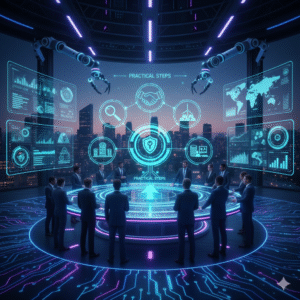
Step 1: Choose a Regulated Platform
Platforms like Ondo Finance, Securitize, and Tokeny offer regulated access to tokenized assets.
Step 2: Verify Asset Backing
Ensure that the asset backing your token is legally audited and verifiable.
Step 3: Understand Yield and Risk
Evaluate how yields are generated — whether through loans, rent, or interest payments.
Step 4: Diversify
Mix RWAs with crypto and traditional investments to balance risk and return.
Step 5: Track Performance
Use blockchain analytics and DeFi dashboards to monitor asset performance in real time.