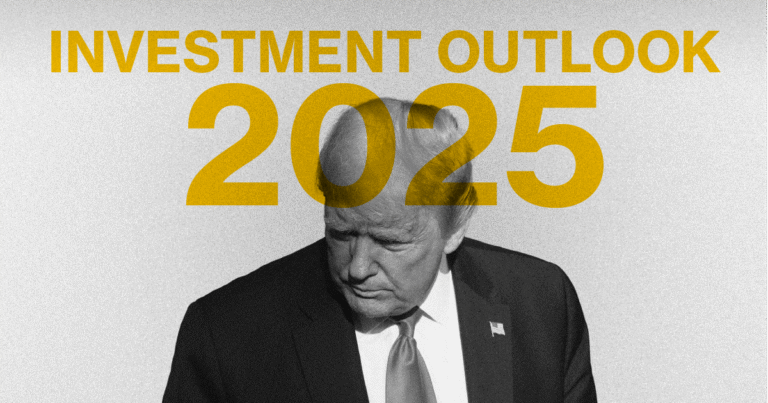
Federal Reserve Policy Updates: Investment Strategies in a Changing Economy
Federal Reserve (Fed) policy is one of the most influential factors affecting U.S. investments. In 2025, investors must navigate an economy shaped by:
-
Interest rate changes
-
Inflation management
-
Monetary policy adjustments
Understanding how the Fed’s actions influence stocks, bonds, and ETFs is essential for building resilient investment portfolios.
Key Fed Policies Impacting Investments in 2025

1. Interest Rate Adjustments
-
Rate hikes can increase borrowing costs, slow economic growth, and impact equity valuations.
-
Rate cuts can stimulate investment, benefiting growth stocks and consumer sectors.
2. Quantitative Tightening (QT) and Monetary Policy
-
Reducing the Fed’s balance sheet can tighten liquidity, affecting bond yields and stock prices.
-
Investors should monitor QT announcements for potential market corrections.
3. Inflation Control Measures
-
CPI and PCE data influence Fed decisions.
-
Sectors like financials, utilities, and consumer staples react differently to inflation trends.
4. Forward Guidance
-
Fed communications provide signals on future monetary policy, helping investors adjust strategies proactively.
How Fed Policy Affects Different Asset Classes
1. Stocks
-
Growth stocks (tech, AI, renewable energy) are more sensitive to interest rate hikes.
-
Value stocks (financials, industrials) may benefit from rising rates.
2. Bonds
-
Treasury yields and corporate bond spreads fluctuate with Fed policy.
-
Long-term bonds may lose value during rate hikes, while short-term bonds offer safer returns.
3. ETFs
-
ETFs tracking broad indices can smooth volatility but will still react to macroeconomic shifts.
-
Consider sector-specific ETFs aligned with interest rate trends.
Investment Strategies to Navigate Fed Policies
1. Diversify Across Asset Classes
-
Maintain exposure to stocks, bonds, and ETFs to balance risk and reward.
2. Focus on Inflation-Resistant Assets
-
Sectors like consumer staples, utilities, and real estate ETFs perform well during inflationary periods.
3. Monitor Fed Announcements Closely
-
Adjust positions ahead of interest rate decisions to mitigate risk or capitalize on opportunities.
4. Use Hedging Tools
-
Options, inverse ETFs, or short positions can protect portfolios against market volatility.
5. Long-Term Perspective
-
Fed policies influence short-term market fluctuations, but long-term investment horizons smooth out these effects.
Case Studies: Investors Reacting to Fed Policies

Case 1: Technology Growth vs. Rate Hikes
-
During rate increases, tech ETFs experienced temporary pullbacks, but investors focusing on AI and cloud computing achieved long-term gains exceeding 20%.
Case 2: Financials Benefiting from Rate Increases
-
Banks and financial service stocks saw higher net interest margins, boosting investor returns during 2025 rate hikes.
Common Mistakes to Avoid
-
Overreacting to Fed Announcements – Markets often price in expected changes ahead of time.
-
Ignoring Diversification – Overconcentration in one sector increases risk.
-
Neglecting Inflation Trends – Misjudging inflation can lead to poor asset allocation.
-
Short-Term Thinking – Frequent trading based on minor Fed updates may reduce returns.
FAQs About Fed Policy and Investments
Q1: How often does the Fed change interest rates?
A1: Typically, the Fed announces policy updates 8 times per year, but emergency changes can occur.
Q2: Should I sell stocks when rates rise?
A2: Not necessarily. Focus on sector resilience and long-term investment goals.
Q3: Can ETFs help mitigate Fed policy risks?
A3: Yes, ETFs provide diversified exposure and reduce volatility compared to individual stocks.